Paramaker Guide
Paralives Paramaker Guide: Create Better Parafolks From Your First Household
A practical, source-aware guide to the Paralives character creator, covering body shapes, clothing, colors, personality framing, household planning, and version-safe expectations during Early Access.
Quick answer
What is Paramaker in Paralives?
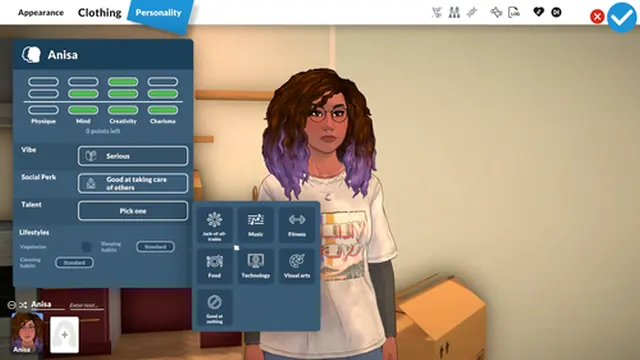
Paramaker is the Paralives character creator: the place where players shape Parafolks before moving them into a home, story, or long save. It matters because Paralives is not only a building game. A good Parafolk setup gives every house a reason to exist, every room a purpose, and every live-mode plan a clearer direction.
The safest way to use Paramaker is to start with role, household story, and everyday routines before chasing tiny appearance details. Decide who the Parafolk is, what they need from a home, how they might spend a day, and how their style should read at a glance.
Because Paralives is in Early Access, do not treat older videos or screenshots as final documentation. Interface labels, clothing counts, relationship setup, traits, and live-mode effects can change. Use this guide as a planning workflow, then confirm current details through Steam, official Paralives posts, and the in-game build you are actually playing.
Searchers looking for a Paramaker guide usually want practical character creation help, not a list of unverified feature claims. This page focuses on choices that remain useful even when Early Access updates rename, rebalance, or expand specific options.
Best first-household rule: create one clear Parafolk concept first, then build appearance, personality, routines, and home needs around that concept.
Core Paramaker choices to understand first
Exact controls can evolve, but these decision areas explain how to build Parafolks that are readable, playable, and easier to guide through Early Access updates.
Body shape
Silhouette first
Start with broad proportions and posture before fine detail. A clear silhouette makes outfits, screenshots, and household contrast easier to read.
Face and hair
Identity cues
Use hair, face shape, expression, and accessories as identity signals instead of making every Parafolk follow the same safe template.
Clothing and colors
Style language
Pick a small palette and repeat it across outfits, rooms, and household screenshots so the character feels intentional.
Personality framing
Play direction
Personality choices should suggest routines, social habits, hobbies, room needs, and the kind of story you want to play.
Household role
Story anchor
Give each Parafolk a simple role such as artist, caretaker, loner, host, student, remote worker, or wildcard.
Version notes
Early Access habit
Record the game version when you create an important household so later changes are easier to understand.

A simple Paramaker workflow for a first household
- Body shape. Start with broad proportions and posture before fine detail. A clear silhouette makes outfits, screenshots, and household contrast easier to read.
- Face and hair. Use hair, face shape, expression, and accessories as identity signals instead of making every Parafolk follow the same safe template.
- Clothing and colors. Pick a small palette and repeat it across outfits, rooms, and household screenshots so the character feels intentional.
- Personality framing. Personality choices should suggest routines, social habits, hobbies, room needs, and the kind of story you want to play.
- Household role. Give each Parafolk a simple role such as artist, caretaker, loner, host, student, remote worker, or wildcard.
- Version notes. Record the game version when you create an important household so later changes are easier to understand.
Paramaker planning checklist
Exact controls can evolve, but these decision areas explain how to build Parafolks that are readable, playable, and easier to guide through Early Access updates.
| Area | Goal | Tip |
|---|---|---|
| Body shape | Silhouette first | Start with broad proportions and posture before fine detail. A clear silhouette makes outfits, screenshots, and household contrast easier to read. |
| Face and hair | Identity cues | Use hair, face shape, expression, and accessories as identity signals instead of making every Parafolk follow the same safe template. |
| Clothing and colors | Style language | Pick a small palette and repeat it across outfits, rooms, and household screenshots so the character feels intentional. |
| Personality framing | Play direction | Personality choices should suggest routines, social habits, hobbies, room needs, and the kind of story you want to play. |
| Household role | Story anchor | Give each Parafolk a simple role such as artist, caretaker, loner, host, student, remote worker, or wildcard. |
| Version notes | Early Access habit | Record the game version when you create an important household so later changes are easier to understand. |
Paramaker tips that stay useful after updates
Body shape
Start with broad proportions and posture before fine detail. A clear silhouette makes outfits, screenshots, and household contrast easier to read.
Face and hair
Use hair, face shape, expression, and accessories as identity signals instead of making every Parafolk follow the same safe template.
Clothing and colors
Pick a small palette and repeat it across outfits, rooms, and household screenshots so the character feels intentional.
Personality framing
Personality choices should suggest routines, social habits, hobbies, room needs, and the kind of story you want to play.
Household role
Give each Parafolk a simple role such as artist, caretaker, loner, host, student, remote worker, or wildcard.
Version notes
Record the game version when you create an important household so later changes are easier to understand.
Common Paramaker mistakes
Body shape
Start with broad proportions and posture before fine detail. A clear silhouette makes outfits, screenshots, and household contrast easier to read.
Face and hair
Use hair, face shape, expression, and accessories as identity signals instead of making every Parafolk follow the same safe template.
Clothing and colors
Pick a small palette and repeat it across outfits, rooms, and household screenshots so the character feels intentional.
Personality framing
Personality choices should suggest routines, social habits, hobbies, room needs, and the kind of story you want to play.
Household role
Give each Parafolk a simple role such as artist, caretaker, loner, host, student, remote worker, or wildcard.
Early Access limits and safe expectations
Paramaker is the Paralives character creator: the place where players shape Parafolks before moving them into a home, story, or long save. It matters because Paralives is not only a building game. A good Parafolk setup gives every house a reason to exist, every room a purpose, and every live-mode plan a clearer direction.
The safest way to use Paramaker is to start with role, household story, and everyday routines before chasing tiny appearance details. Decide who the Parafolk is, what they need from a home, how they might spend a day, and how their style should read at a glance.
Because Paralives is in Early Access, do not treat older videos or screenshots as final documentation. Interface labels, clothing counts, relationship setup, traits, and live-mode effects can change. Use this guide as a planning workflow, then confirm current details through Steam, official Paralives posts, and the in-game build you are actually playing.
Paralives Paramaker FAQ
What is Paramaker in Paralives?
Paramaker is the Paralives character creator: the place where players shape Parafolks before moving them into a home, story, or long save. It matters because Paralives is not only a building game. A good Parafolk setup gives every house a reason to exist, every room a purpose, and every live-mode plan a clearer direction.
Core Paramaker choices to understand first
Exact controls can evolve, but these decision areas explain how to build Parafolks that are readable, playable, and easier to guide through Early Access updates.
Early Access limits and safe expectations
Because Paralives is in Early Access, do not treat older videos or screenshots as final documentation. Interface labels, clothing counts, relationship setup, traits, and live-mode effects can change. Use this guide as a planning workflow, then confirm current details through Steam, official Paralives posts, and the in-game build you are actually playing.
Paramaker tips that stay useful after updates
Best first-household rule: create one clear Parafolk concept first, then build appearance, personality, routines, and home needs around that concept.
Official sources?
Steam, official Paralives website, press kit, and Paralives Studio channels.